
Sunday, May 31

The final day of the conference offers a high-impact line-up of rapid-fire lectures, plus an engaging breakout session to help guide practices in ISAR and cultural, safety and humility. As we wrap up the weekend, join us for a closing plenary and grab a lunch to go, ensuring you leave energized, inspired, and ready to bring new insights back to your practice.
7:45 AM - 8:45 AM Breakfast
-
Join Parenting in Practice lead, Dr. Erin Carlson, for an open conversation about the realities of being a rural physician parent. This session will explore the lived experience of balancing medical practice and parenting in rural and remote communities, including the challenges, strengths, and supports that shape this journey. Your input, along with our survey, will help identify key gaps, priorities, and opportunities for meaningful, sustainable support for rural physician families. The insights gathered will directly inform future Parenting in Practice initiatives. Children are welcome!
-
Note: This breakout session runs concurrently with the rapid-fire lectures.
Speakers: Dr. Terri Aldred and Tarah Reece, NP
This breakout session builds on the core principles of Cultural Safety and Humility (CSH) and Indigenous-specific Anti-Racism (ISAR), supporting participants in translating learning into meaningful practice change. Participants will explore resources for Indigenous patients in British Columbia and consider practical strategies for continuing their commitment to culturally safer care. Designed for clinicians seeking to deepen their understanding and integrate CSH and ISAR principles into everyday practice.
Learning Objectives:
Review the core principles and practices of cultural safety and humility and Indigenous – specific anti – racism
Examine current practice standards and what resources are available for Indigenous patients in BC
Review recommendations on how to continue the journey of CSH & ISAR work
8:45 AM - 10:20 AM Plenary Rapid-Fire Lectures
-
Speaker: Dr. Tanya MacDonell
🩺 Learning Objectives:
Recognize normal post-operative presentations following total hip and knee arthroplasty
Initiate appropriate management for common post-operative issues in primary care
Identify red flag findings requiring further investigation or referral
-
Speaker: Dr. James Card and Dr. Paul Winwood
🩺 Learning Objectives:
Outline common concerns, misconceptions, and perceived barriers related to teaching students and residents in rural settings.
Describe initiatives to support rural physician identity formation in MD and Resident training programs.
Integrate multiple (layered) learners in the rural clinical environment.
-
Speaker: Dr. Dmitri Zanozin
🩺 Learning Objectives:
Recognize common presenting features of first-episode psychosis in adolescents, including key presenting complaints and relevant developmental history.
Identify appropriate short-term and long-term management options for adolescents presenting with suspected first-episode psychosis.
Select appropriate referral pathways and follow-up resources to support ongoing care after initial presentation.
-
Speaker: Dr. Charles Helm
🩺 Learning Objectives:
Describe the primary drivers contributing to the development and increased prevalence of type 2 diabetes.
Explain the physiological basis by which a food-first approach can support remission in select patients.
Apply principles of a food-first framework — including the inverted food pyramid and evolutionary context — to practical, patient-centered counselling conversations in primary care.
-
Details coming soon.
10:20 AM - 10:40 AM Break
10:40 AM - 11:50 PM Plenary Rapid-Fire Lectures
-
Speaker: Aron Nenninger (BScPharm)
🩺 Learning Objectives:
Identify a BC-based and evidence informed source for common practice related questions.
Implement five practical pharmacist-led tips to optimize medication use.
Leverage pharmacist collaboration to improve quality of patient care.
-
Speaker: Dr. Anurag Singh
🩺 Learning Objectives:
Identify patients at high risk for CKD who would benefit from targeted screening in rural and remote settings.
Apply practical primary care strategies to reduce kidney and cardiovascular risk, including the use of newer kidney- and cardio-protective therapies.
Recognize the value of community-based kidney health screening in improving early detection and equity of care in Northern BC.
-
Speaker: Dr. Mohammad Salem Alhalabi
🩺 Learning Objectives:
Differentiate high-frequency episodic migraines from chronic migraines.
Explain how CGRP-targeted therapies have changed the approach to migraine prevention and acute treatment compared with traditional medications.
Apply an evidence-based management approach to high-frequency or chronic migraines, including when to consider CGRP-based therapies.
-
Details coming soon
11:50 AM - 12:20 PM Closing Speaker
Small Changes, Big Results: How your next year can be way better than your last
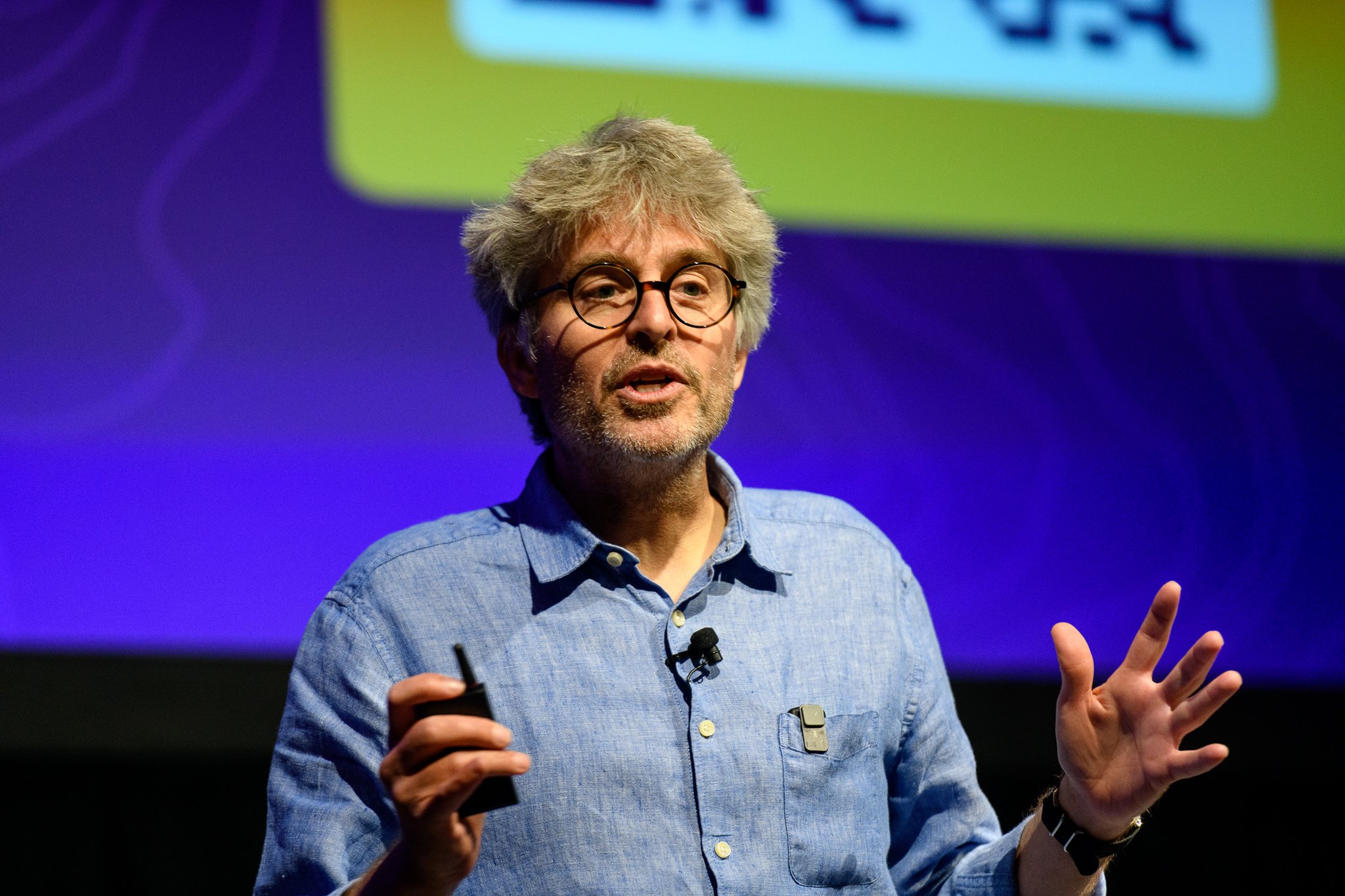
Closing plenary speaker: Dr. Adam Sandell
Learning Objectives:
Assess how work plays a role in personal well-being.
Identify specific aspects of clinical or professional work that could be modified to improve balance and sustainability.
Develop practical strategies to support long-term professional fulfillment and personal well-being.
12:20 PM - 12:35 PM Conference Wrap Up
-
Join us as we close the conference in community with the Khast’an Drummers.
-
Conference wrap up with the RCCbc team.
More details coming soon!
Grab & Go Lunch
Thank You & See You in 2027!
We extend our deepest gratitude to the Lheidli T’enneh First Nation for welcoming us to their territory and allowing us to gather, learn, and connect on their lands.
A heartfelt thank you to all speakers, participants, and partners who make this event possible. Your dedication to rural healthcare strengthens communities across British Columbia.
Safe travels, and we’ll see you in 2027 - stay tuned for dates and details!